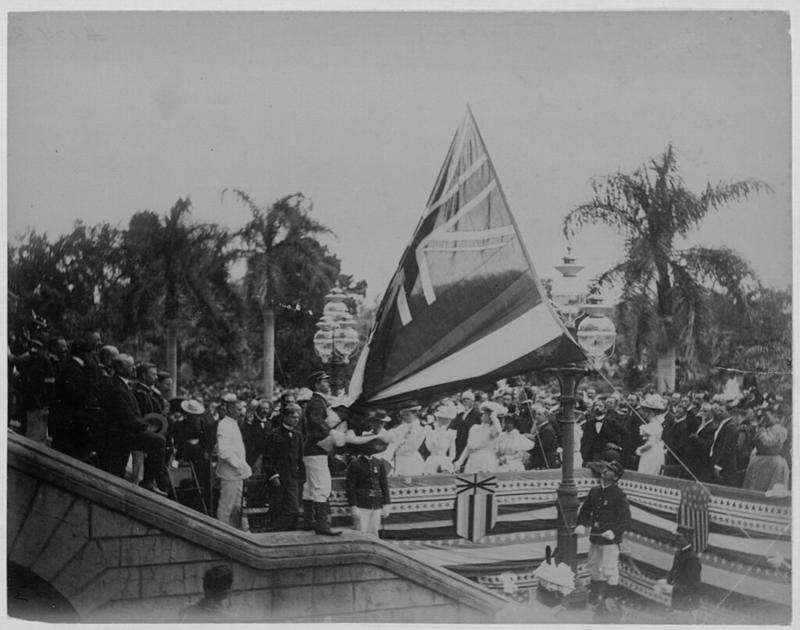


Fellows’ Forum - Citizenship and Conquest: Hawaiʻi and the Architecture of U.S. Expansion
On January 17, 1893, American businessmen Sanford Dole and Lorrin Thurston led a coup against the Hawaiian monarchy with the aid of the U.S. military and active involvement from members of President William Harrison’s cabinet. In light of federal backing, the group expected rapid passage of an annexation treaty. However, the treaty failed due to opposition from Southern Democrats, and further hurting the annexation cause, President Grover Cleveland, a staunch anti-imperialist, soon took office. For nearly six years, the newly established Hawaiian Republican remained in a state of limbo. Queen Liliʻuokalani lobbied for support in Hawaiʻi and abroad, while American oligarchs attempted to retain control and bolster Hawaiʻi's position for annexation. Despite sustained Native Hawaiian opposition, the U.S. government finalized annexation in 1898 and passed the Organic Act in 1900, formalizing Hawaiʻi as a U.S. territory and extending citizenship to its residents, including Native Hawaiians, though Native Americans on the continent remained excluded from citizenship at that time. This work uncovers the politics leading to the 1900 Organic Act and the crucial and distinctive role of citizenship in Hawaiʻi’s transition from republic to territory and then to state.