The Making of Intellectual Ecologies in Black Public Thought
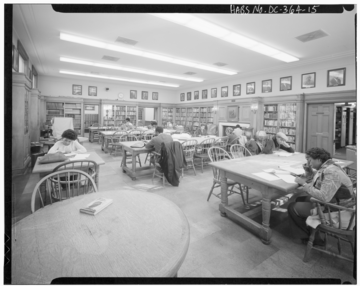
Black public thought in the United States has been sustained by what I define as intellectual ecologies. Intellectual ecologies are institutions, spaces, networks and practices that excluded people built for themselves, and within which ideas were generated, circulated, contested and handed down across generations. Like human ecosystems, Black intellectual ecologies were created and evolved naturally, so they were, over time, nourished, weakened and dispersed during the twentieth century. The lecture will explore how ecologies in two cities were sustained and weakened, and how they formed in other spaces. Looking at two cases—Washington and Atlanta—the lecture will highlight how two ecologies formed under exclusion, supported the different political languages of respectability, recognition and self-regard, and thinned and formed in new spaces as the exclusion they answered began to lift.